Introduction
Emergency preparedness is one of the most important responsibilities for any organization, building owner, or facility manager. While emergency plans, employee training, and evacuation drills all contribute to a safe environment, none of these measures can replace a fully operational fire protection system. A fire emergency can occur without warning, making it essential that every component of the fire protection system performs exactly as intended. This is why Bảo trì hệ thống PCCC plays such a critical role in emergency preparedness.
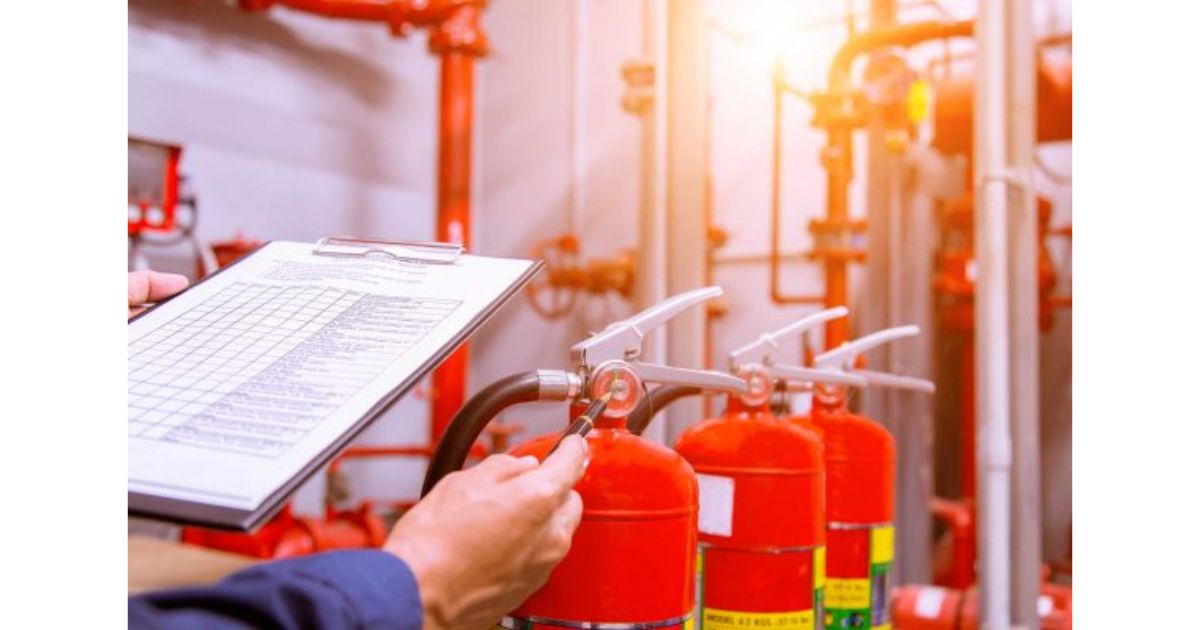
Bảo trì hệ thống PCCC refers to the routine inspection, testing, servicing, cleaning, and repair of fire protection equipment. Regular maintenance ensures that alarms activate promptly, sprinklers operate efficiently, fire pumps provide adequate pressure, and emergency lighting guides occupants safely out of the building. Without consistent maintenance, even the most advanced fire protection systems can fail when they are needed most.
This article explores how regular Bảo trì hệ thống PCCC strengthens emergency preparedness, protects lives and property, minimizes operational disruptions, and helps organizations respond effectively during fire emergencies.
Understanding Emergency Preparedness
Emergency preparedness involves planning and implementing measures that reduce the impact of unexpected events. In terms of fire safety, preparedness means ensuring that people, equipment, and procedures work together to minimize injuries, property damage, and business interruptions.
An effective emergency preparedness program includes:
- Fire risk assessments
- Emergency response plans
- Employee training
- Fire drills
- Clearly marked evacuation routes
- Reliable communication systems
- Regular inspection of fire protection equipment
- Ongoing maintenance of safety systems
Among these elements, Bảo trì hệ thống PCCC serves as the foundation that keeps fire protection equipment operational.
Why Maintenance Is Essential for Preparedness
Many organizations invest heavily in installing sophisticated fire protection systems but underestimate the importance of maintaining them. Over time, equipment naturally experiences wear and tear. Dust, moisture, corrosion, electrical faults, and aging components can reduce system performance.
Without regular maintenance, problems such as blocked sprinkler heads, weak batteries, damaged wiring, or malfunctioning detectors may remain unnoticed until a real emergency occurs. During a fire, even a small equipment failure can delay evacuation or reduce fire suppression effectiveness.
Routine Bảo trì hệ thống PCCC helps identify and correct these issues before they become serious hazards.
Ensuring Early Fire Detection
Early detection is one of the most important factors in successful emergency response.
Smoke detectors and heat detectors are designed to identify dangerous conditions before flames spread throughout the building. Their effectiveness depends on proper maintenance.
Routine servicing includes:
- Cleaning sensor chambers
- Testing detector sensitivity
- Inspecting wiring connections
- Replacing aging detectors
- Verifying communication with alarm panels
Well-maintained detectors provide earlier warnings, giving occupants valuable time to evacuate safely.
Keeping Fire Alarm Systems Reliable
Fire alarm systems notify building occupants immediately when danger is detected.
A complete alarm system consists of:
- Control panels
- Manual call points
- Smoke detectors
- Heat detectors
- Sirens
- Flashing lights
- Communication devices Bảo trì hệ thống PCCC
- Backup batteries
Regular Bảo trì hệ thống PCCC ensures these components function together without interruption.
Maintenance technicians test alarm activation, verify signal transmission, inspect backup power supplies, and confirm that all warning devices operate correctly.
Reliable alarms significantly improve emergency preparedness by reducing response times.
Supporting Safe Building Evacuation
Successful evacuation depends on much more than simply hearing an alarm.
Occupants require:
- Clear exit routes
- Proper lighting
- Visible exit signs
- Functional emergency communication systems
- Smoke control equipment
Routine maintenance ensures these supporting systems remain fully operational.
Emergency lighting batteries are tested regularly to confirm they continue operating during power failures. Exit signs are inspected for visibility, illumination, and physical condition.
When evacuation systems function correctly, people can leave the building more safely and efficiently.
Maintaining Automatic Sprinkler Systems
Automatic sprinkler systems often suppress fires before firefighters arrive.
However, sprinkler systems require ongoing maintenance to remain dependable.
Routine inspections include checking:
- Sprinkler heads
- Pipes
- Valves
- Pressure gauges
- Water tanks
- Drainage systems
- Water flow switches
Technicians also inspect for corrosion, leaks, blockages, and accidental damage.
Properly maintained sprinklers improve emergency preparedness by slowing fire growth and reducing heat and smoke production.
Ensuring Fire Pumps Are Ready
Fire pumps provide the water pressure needed for sprinkler systems and fire hydrants.
Without sufficient pressure, fire suppression efforts become much less effective.
Routine maintenance involves:
- Operational testing
- Pressure verification
- Lubrication
- Electrical inspections
- Engine testing
- Fuel checks for diesel pumps
- Automatic start testing
These inspections confirm that pumps will operate immediately when activated.
Improving Fire Extinguisher Readiness
Portable fire extinguishers allow trained individuals to control small fires before they spread.
Regular maintenance ensures extinguishers remain fully charged and accessible.
Inspection activities include:
- Pressure gauge checks
- Hose inspection
- Seal verification
- Weight confirmation
- Physical damage assessment
- Recharge scheduling
- Replacement of expired units
Reliable extinguishers enhance emergency preparedness by supporting rapid initial fire response.
Reducing Equipment Failure During Emergencies
Equipment failures are one of the greatest threats to emergency preparedness.
Common failures include:
- Dead batteries
- Faulty detectors
- Damaged wiring
- Closed valves
- Empty extinguishers
- Corroded pipes
- Malfunctioning control panels
Routine Bảo trì hệ thống PCCC significantly reduces the likelihood of these failures by identifying problems before emergencies occur.
Preventive maintenance is far less expensive than repairing systems after a fire.
Supporting Employee Confidence
Employees are more likely to respond calmly during emergencies when they trust the building’s safety systems.
Knowing that fire protection equipment receives regular inspections increases confidence in:
- Fire alarms
- Sprinkler systems
- Emergency exits
- Emergency lighting
- Fire extinguishers
This confidence encourages orderly evacuations and reduces panic.
Protecting Business Operations
Fire emergencies can interrupt operations for weeks or even months.
Regular maintenance helps reduce:
- Property damage
- Production downtime
- Equipment replacement costs
- Customer service disruptions
- Lost revenue
Organizations that prioritize Bảo trì hệ thống PCCC recover more quickly because their fire protection systems perform effectively during emergencies.
Supporting Regulatory Compliance
Many fire safety regulations require commercial buildings to maintain their fire protection systems according to established inspection schedules.
Routine maintenance demonstrates compliance through:
- Inspection reports
- Test records
- Maintenance logs
- Repair documentation
- Equipment certifications
Accurate records simplify regulatory inspections and reduce legal risks.
Integrating Maintenance with Emergency Planning
Maintenance should never be treated as an isolated activity.
Organizations achieve the best results by integrating Bảo trì hệ thống PCCC with broader emergency preparedness efforts.
These may include:
- Fire drills
- Evacuation exercises
- Safety meetings
- Risk assessments
- Emergency response training
- Equipment demonstrations
Combining maintenance with preparedness activities creates a stronger overall safety culture.
Common Maintenance Challenges
Commercial facilities often encounter obstacles that affect maintenance quality.
These challenges include:
Aging Infrastructure
Older buildings may contain outdated fire protection equipment requiring more frequent inspections.
Environmental Conditions
Dust, humidity, vibration, chemicals, and temperature fluctuations can accelerate equipment deterioration.
Operational Constraints
Busy facilities may struggle to schedule maintenance without disrupting normal operations.
Limited Resources
Budget limitations sometimes delay maintenance, increasing long-term repair costs and safety risks.
Recognizing these challenges allows organizations to develop practical maintenance strategies.
Best Practices for Effective Bảo trì hệ thống PCCC
Organizations can improve emergency preparedness by following several maintenance best practices.
Create a Maintenance Schedule
Develop a structured calendar for inspections, testing, servicing, and repairs.
Hire Qualified Technicians
Certified professionals possess the expertise needed to inspect complex fire protection systems accurately.
Maintain Detailed Records
Document every inspection, repair, replacement, and test for future reference.
Replace Worn Components Promptly
Do not postpone replacing damaged detectors, batteries, valves, or other critical equipment.
Perform Functional Testing
Regular testing confirms that systems operate correctly under simulated emergency conditions.
Train Employees
Staff members should understand basic fire protection equipment and know how to report potential problems.
The Future of Fire Protection Maintenance
Technology continues improving emergency preparedness through smarter maintenance solutions.
Modern innovations include:
- Intelligent fire detection systems
- Remote monitoring platforms
- Predictive maintenance software
- Internet-connected sensors
- Automated diagnostics
- Cloud-based maintenance records
- Artificial intelligence for fault detection
These technologies allow organizations to identify equipment issues earlier while reducing maintenance costs.
Conclusion
Regular Bảo trì hệ thống PCCC is one of the most effective ways to improve emergency preparedness. Well-maintained fire protection systems provide reliable fire detection, rapid alarm activation, efficient fire suppression, and safe evacuation support. These capabilities protect lives, minimize property damage, and reduce business interruptions during emergencies.
Emergency preparedness is not achieved through planning alone. It requires continuous attention to every component of the fire protection system. By implementing a comprehensive maintenance program, organizations ensure that their fire safety equipment remains dependable, compliant, and ready to respond whenever an emergency occurs. Investing in routine Bảo trì hệ thống PCCC is ultimately an investment in safety, resilience, and long-term operational security.